Building the Future of ICU Data. Secure and AI-Ready.
While the European Health Data Space (EHDS) represents a high-level policy shift for the continent, CeADAR and Trinity College Dublin (TCD) are currently building its operational foundation in Ireland. Through a dedicated partnership at St. James’s Hospital (SJH), CeADAR is developing the AI infrastructure required to connect Irish intensive care units (ICUs) to a secure, pan-European network, applying responsible data practices directly within the Irish healthcare system.
This work aims to ensure that federated ICU AI tools are as resilient as they are fair, validating this privacy-preserving framework in a clinical environment. By facilitating safe and responsible primary and secondary use of health data, this infrastructure empowers patients, while driving high-impact research and informed public policy.
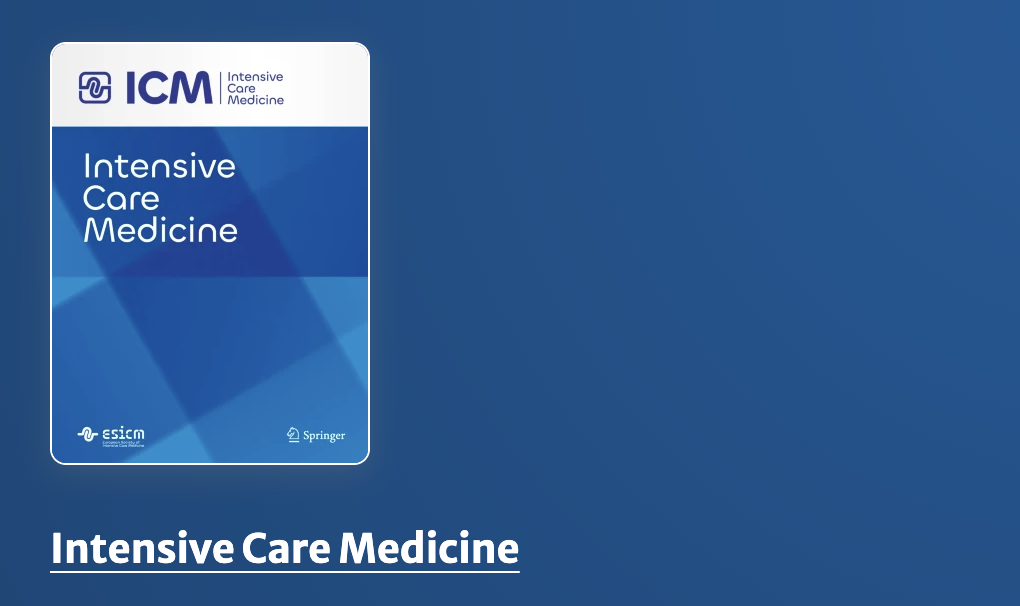
The strategic vision for this partnership was recently detailed in the paper ‘The next frontier in sepsis: connected ICU data for real-world clinical decision making’ published in Intensive Care Medicine.
The paper identifies the current restrictions in critical care research and education caused by fragmented and locally siloed data. To address this, the European Health Data Space (EHDS) proposes a federated, privacy-preserving framework designed to connect intensive care units (ICUs) across Europe. Sepsis was selected as a primary model for this initiative because of its high mortality, clinical heterogeneity, and the persistent lack of standardisation in outcomes.
The paper shows that through federated infrastructures, we can enable the joint analysis of ICU data without the transfer of patient-level information and facilitate large-scale benchmarking to the benefit of the patient.
CeADAR continued its active involvement as a technical partner of the Digital Europe INDICATE project at this month’s Hackathon in Amsterdam. Alongside clinicians, researchers, data scientists, and innovators, CeADAR engaged in a full-day deep dive to co-create solutions addressing how to responsibly unlock the value of intensive care unit (ICU) data at scale, paving the way for implementation of the European Health Data Space (EHDS) and the adoption of AI-based solutions. However, to achieve this requires an integrated approach drawing on the expertise of clinicians and data science expertise at all stages of the implementation.
Click below to read the full paper: